

Growing Strong Minds: Why Kids Need Mental Health Support
By Ogbonna Precious
If you grew up in a Nigerian home, you probably know the phrase: stop crying or I’ll give you something to cry about. Here’s why that habit is quietly shaping a generation, and four simple ways to break it.
Growing up, if I so much as shed a tear when I was hurt or upset, I already knew what was coming next "Will you shut up there before I give you something real to cry about!"
Sounds familiar? If you grew up in a typical Nigerian home like I did, chances are you heard some versions of that line more times than you can count.
Crying was usually treated like rebellion, and big feelings were quickly silenced.
I know our parents meant well. They were just raising us the best way they knew how, using the tools handed down to them. But looking back, being forced to swallow my tears taught me to hide whatever I was feeling inside. That was my story and for so many of us, it created this quiet pattern of emotional neglect.
When kids learn that their pain makes adults uncomfortable or angry, they just stop sharing it. They grow up believing their feelings don't matter or worse, that having them makes them a burden.
Here at Little Lives Foundation, we see every day why this cycle really needs to stop with our generation.
Think about it this way, when a child falls on the playground and scrapes their knee, nobody scolds them for crying. We rush over, clean the cut, put on a bandage, and hold them close until the tears dry. But what happens when the hurt is on the inside?
Childhood isn't all play and zero responsibilities. Kids experience stress, anxiety, jealousy, and deep sadness just like adults do; they just don't have the words to sit us down and break it all down over a “superstory night”.
Supporting a child's mental health is just as vital as feeding them good food, getting them a solid education or making sure they sleep well.
Here is why nurturing young minds matters so much, and how we can easily bring emotional support into our everyday lives and homes.
Why Early Support is a Complete Game Changer
Imagine a child's mind as a house being built. These early years are when the foundation is laid. If we help them build a strong emotional foundation now, that house will stand firm no matter how heavy the storms of life get later on.
Catching struggles before they grow:So many adult mental health challenges actually trace back to childhood. When we pay attention early, we give kids the right tools before a tiny worry turns into a heavy cloud.
Better focus at school: Have you ever tried focusing on work when your heart is heavy?maybe from a heartbreak? It's almost impossible right?. A child can't absorb math or reading when their mind is racing or feeling unsafe. Kids who feel emotionally supported do better in school simply because their brains are relaxed and ready to learn.
Breaking generational cycles: Teaching a seven-year-old how to take deep breaths when they're angry means you aren't just helping a child… you're raising a future adult who won't yell at their spouse or completely shut down when life gets tough.

What Does a Struggling Child Actually Look Like?
Our kids will rarely walk up to us and say, "Mummy, I am feeling angry today" Instead, they show us through their behavior.
In a Nigerian home, emotional distress doesn't always look like soft weeping. Because their self-regulation skills are still developing, overload usually triggers a survival response:
Fight: Sudden explosive tantrums, talking back, throwing slippers or toys around, fighting aggressively with siblings, or overreacting to minor corrections.
Flight: Escaping into their TV or phones, dragging their feet endlessly when asked to do simple household chores, hiding away or stubbornly avoiding schoolwork.
Freeze: “Doing face” refusing to answer when spoken to, completely withdrawing after being corrected, or going totally silent.
Physical shifts: Refusing to eat their food, complaining of constant stomachaches or headaches before school or sudden unusual clinginess.
Simple, Everyday Ways to Support Their Minds
Here are four simple ways we can start supporting the little ones in our lives today:
Give their feelings a name: Help them build an emotional vocabulary. Instead of labeling them as stubborn or bad-behaved, help them connect with what they are actually feeling inside. If you notice them struggling with tough homework or a broken toy, try saying:"It looks like you're feeling really frustrated with this right now. That's completely okay; let's take a small break together."
Listen without always scolding or fixing: When a child starts crying, our automatic Nigerian parent instinct is to shut it down immediately. But scolding a crying child is like putting a lid on a boiling pot of water. It’s going to explode eventually. Try this instead: Next time they are upset, take a breath and say, "I can see that you're really sad we can't go out today. I understand how you feel, and I'm right here with you." Validating their feelings lets them know that home is a safe space, not a courtroom.
Separate the feeling from the action: It's crucial for kids to understand that all feelings are okay, but not all actions are. You can gently hold the boundary without crushing their spirit: "It is okay to feel angry that your brother took your toy, but it is not okay to hit him or throw things." This teaches self-control while keeping their self-worth intact.
Show them how you handle pressure: Kids are like sponges; they learn far more from watching us than from listening to us. If you've had a crazy day at work or accidentally lost your temper, talk about it openly: "I was feeling really stressed earlier and I raised my voice. I took a few minutes to breathe and calm down, and I'm sorry for shouting."When you model self-awareness, you give them permission to be human, too.
Now a quick word to Parents and Caregivers
Nurturing a child's mental health doesn't require grand, expensive gestures. It happens in the quiet, everyday moments, the school runs, the evening chats over dinner, and the patient pauses when everyone is having a tough day.
And please, extend that same patience to yourself, too. Parenting and caregiving are hard work, and nobody gets it right 100% of the time.
You don't have to be perfect; you just have to be present.
By simply listening and showing our children that their feelings matter, we are healing old generational wounds and helping these kids grow into strong, resilient and inspiring adults.
Share this story
More stories you might like

Access Is the Difference
The children we serve aren't held back by a lack of ability or ambition, they're held back by access. A reflection on why that truth drives our work, and how anyone can be part of the change.
By Osinowo Timothy
Every Child Deserves a Fighting Chance
A reflection on why healthcare shouldn’t depend on where a child is born, and why that’s what drew me to Little Lives Foundation.
By Adeola Oluwakanyinsola
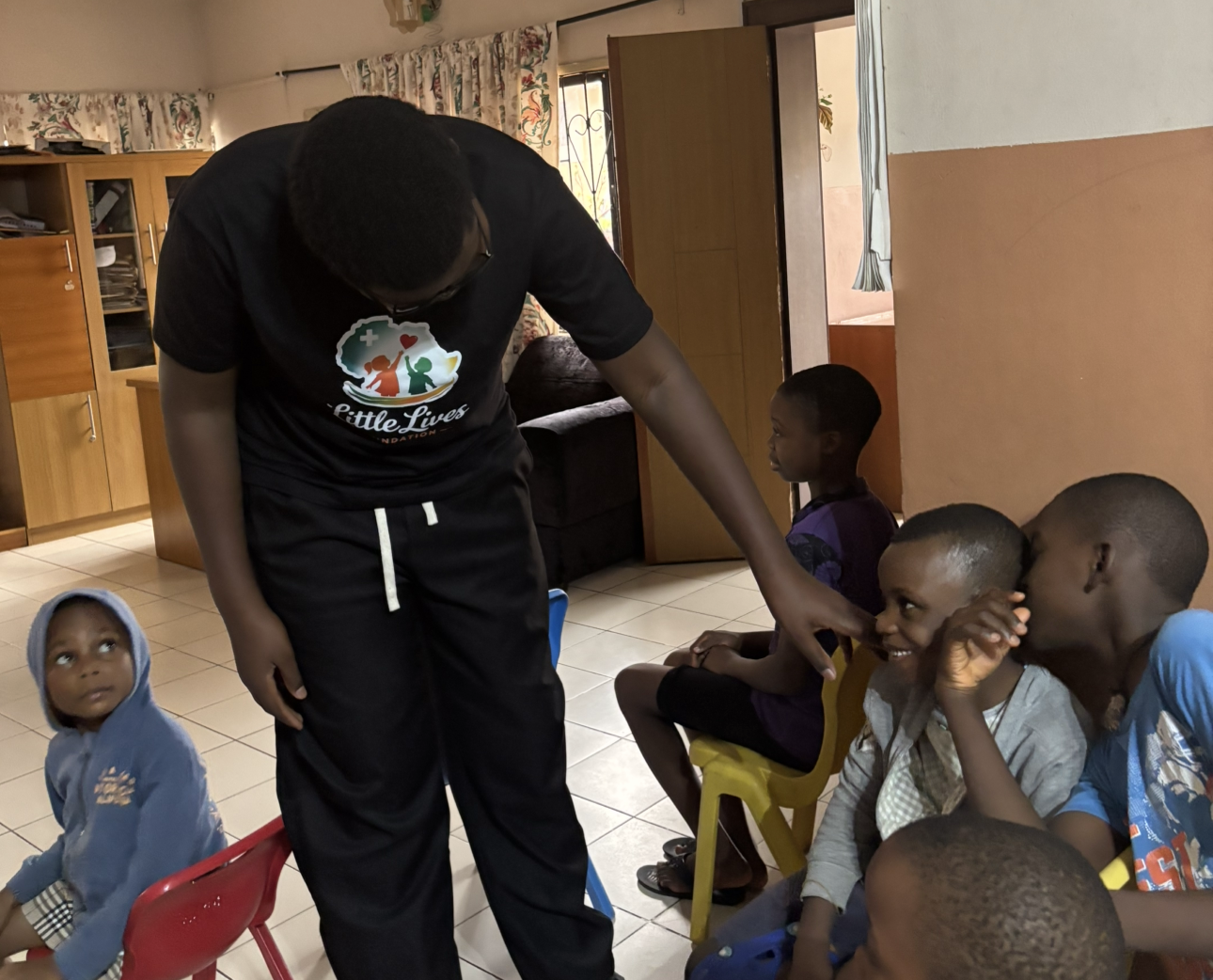
We Visited an Orphanage. Here’s What Nobody Talks About.
We drove to Victorine Home for Children not really knowing what to expect. Thirty kids, ages 2 to 11, one building. We brought food. We had honest conversations. And we left thinking about what it actually means to show up for a child who needs people in their corner.