Why Most Nigerian Children Don't Get the Healthcare They Deserve
By Adeleye Adebisi
Most Nigerian children don't suffer because their illnesses are untreatable. They suffer because healthcare is too expensive, too distant, too understaffed, or arrives too late. A look at the chain of failures behind preventable child deaths, and what it would take to fix them
The child was sick long before he arrived at the hospital.
By the time the doctors saw him, he was struggling to breathe. His mother had spent days hoping the fever would break on its own. The nearest hospital was far away. Transport was expensive. A local medicine vendor had assured her that the drugs would work.
They didn't.
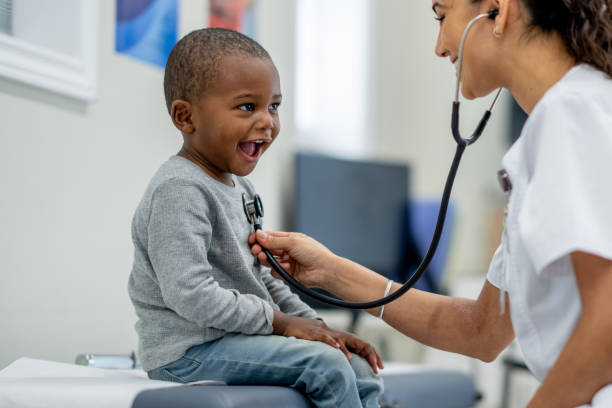
Across Nigeria, thousands of children begin losing the battle against illness long before they reach a hospital bed. The tragedy is that many of these illnesses are preventable and treatable. Yet millions of Nigerian children still fail to receive the healthcare they deserve, not because medicine does not exist, but because healthcare is often too expensive, too distant, too understaffed or arrives too late.
When a Nigerian child dies from malaria, pneumonia, diarrhea, malnutrition, measles which are known as the leading causes of preventable child deaths in Nigeria, as well as other preventable illnesses, the disease is often only part of the story. Behind it lies a chain of failures that began long before the illness itself.
Poverty: The First Barrier To Healthcare
If there is one reason that sits at the centre of Nigeria's child health crisis, it is poverty.
For many families, healthcare is not avoided because they do not value it. It is avoided because they cannot afford it.
A hospital visit may require transport fares, consultation fees, laboratory tests, medications, and sometimes days away from work. For families already struggling to feed their children, healthcare becomes a difficult financial decision.
As a result, many parents delay seeking treatment. They hope the child improves. They try home remedies. They buy only part of a prescribed medication. They wait.
Unfortunately, illnesses do not wait.
What begins as a simple fever can become severe malaria. What starts as a cough can progress to pneumonia complicated by heart failure. By the time many children arrive at the hospital, valuable time has already been lost.
No parent should have to choose between treating a sick child and putting food on the table.
A Weak Primary Healthcare System
Healthcare is supposed to begin close to home.
Primary Healthcare Centres (PHCs) were designed to provide vaccinations, growth monitoring, antenatal services, treatment of common illnesses, health education, and referrals when necessary. They are meant to be the first line of defense against childhood disease.
Too often, they are not.
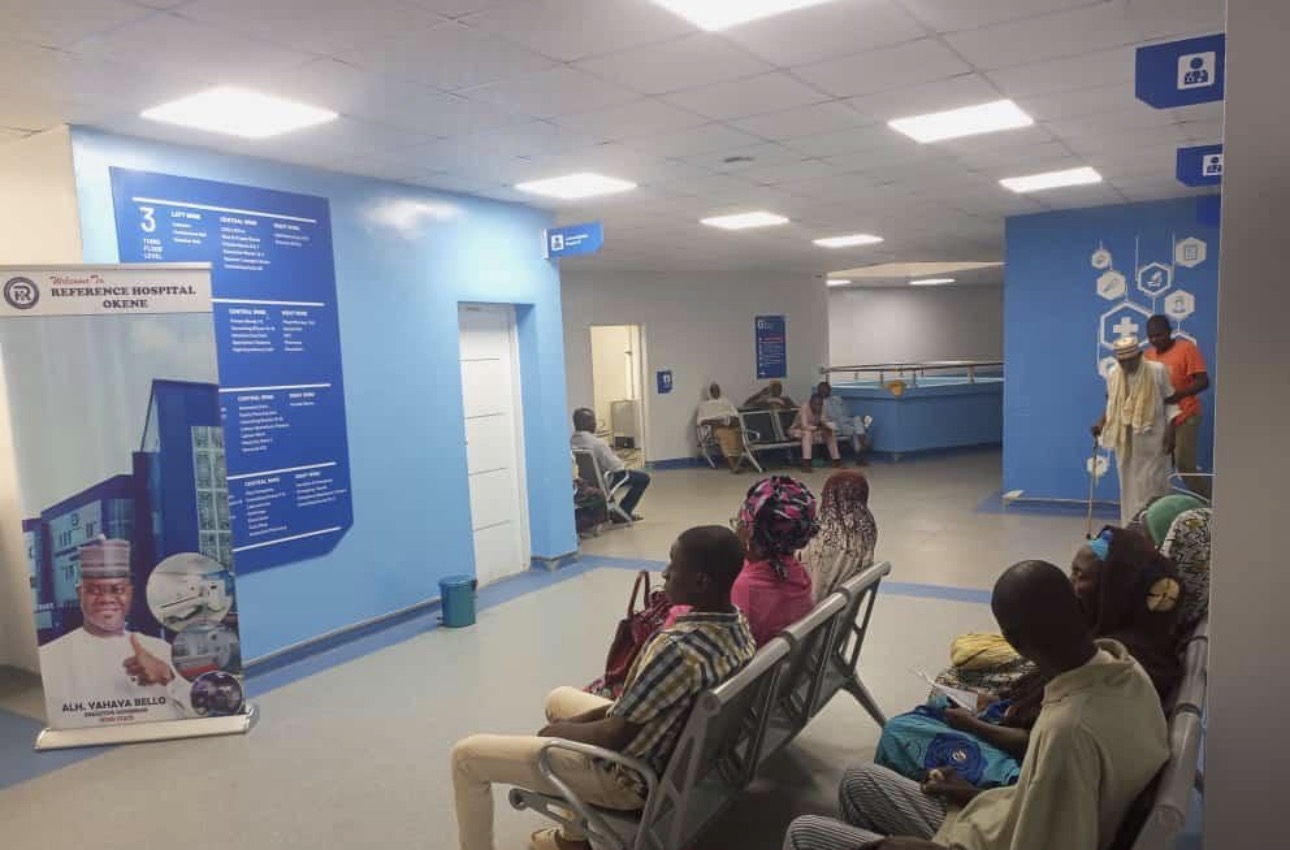
Across many communities, PHCs struggle with inadequate staffing, shortages of essential medicines, insufficient equipment, irregular power supply, and poor funding. Some exist only in name.
When primary healthcare fails, minor illnesses that should have been managed early become emergencies requiring hospital admission.
A healthcare system cannot protect children if its foundation is weak.
Too Few Doctors for Too Many People
Even when families reach a health facility, there may not be enough healthcare workers to care for them.
Nigeria currently has about 55,000 licensed doctors serving a population of more than 200 million people. The shortage has been worsened by the migration of healthcare professionals seeking better opportunities abroad.
The situation is even more concerning for children. Paediatricians remain far too few for the number of Nigerian children who need them. Most pediatricians are concentrated in major cities and tertiary hospitals, leaving many communities without direct access to specialist child healthcare.
The result is longer waiting times, delayed treatment, overcrowded facilities, and increased pressure on the healthcare workers who remain.
A country with one of the world's largest child populations cannot afford a shortage of those trained to care for children.
Fear, Beliefs, and Mistrust of Healthcare
For some families, the barrier to healthcare is not only money or distance, it is fear of what might happen once they get to the hospital.
There is a widespread belief in some communities that hospitals may "add unnecessary treatments" once a patient is admitted. Procedures such as blood transfusions, injections, or laboratory tests are sometimes viewed with suspicion, especially when families do not fully understand why they are needed.
In some cases, parents delay or avoid seeking care because they fear unexpected costs or interventions they did not plan for. This hesitation can be dangerous, as it often leads to late presentation when a child's condition has already worsened.
Trust in healthcare systems is therefore just as important as access to them. When families feel informed, respected, and supported, they are more likely to seek care early and follow medical advice.
When the Hospital Is Simply Too Far Away
For millions of Nigerian families, healthcare is not just expensive, it is distant.
In some communities, the nearest functional hospital may be several kilometres away. Reaching it may require multiple transport connections, hours of travel, or roads that become nearly impassable during the rainy season.
For a healthy adult, this may be inconvenient.
For a child struggling to breathe, convulsing from malaria, or severely dehydrated from diarrhoea, it can be fatal.
Healthcare delayed is often healthcare denied.
A child's chances of survival should not depend on where they were born.
When Unlicensed Practitioners Fill The Gap
Where healthcare systems leave gaps, others often step in.
Across the country, many families rely on unlicensed practitioners, informal drug vendors, and individuals providing medical advice without adequate training.
The reasons are understandable. They are often cheaper, closer, and more accessible than hospitals.
The danger is that incorrect diagnoses, inappropriate medications, and delayed referrals can transform manageable illnesses into medical emergencies.
When a child receives the wrong treatment at the wrong time, everyone loses.
The existence of unlicensed practitioners is not merely a law-enforcement problem. It is often a symptom of a healthcare system that many families cannot easily access.
"Let's Watch and See"
One of the most overlooked barriers to child healthcare is delay.
Many parents genuinely believe they can manage the illness themselves. They have seen similar symptoms before. They assume the child will recover. Sometimes they are encouraged by relatives, neighbours, or previous experiences.
And sometimes they are right.
But sometimes they are catastrophically wrong.
Children can deteriorate rapidly. A child who appears stable in the morning can become critically ill by evening. Conditions such as severe malaria, meningitis, pneumonia, sepsis, and dehydration do not always provide warning signs before becoming life-threatening.
Seeking healthcare early is not overreacting. In many cases, it is what saves lives.
The Cost of Failing Our Children
When children do not receive adequate healthcare, the consequences reach far beyond hospitals.
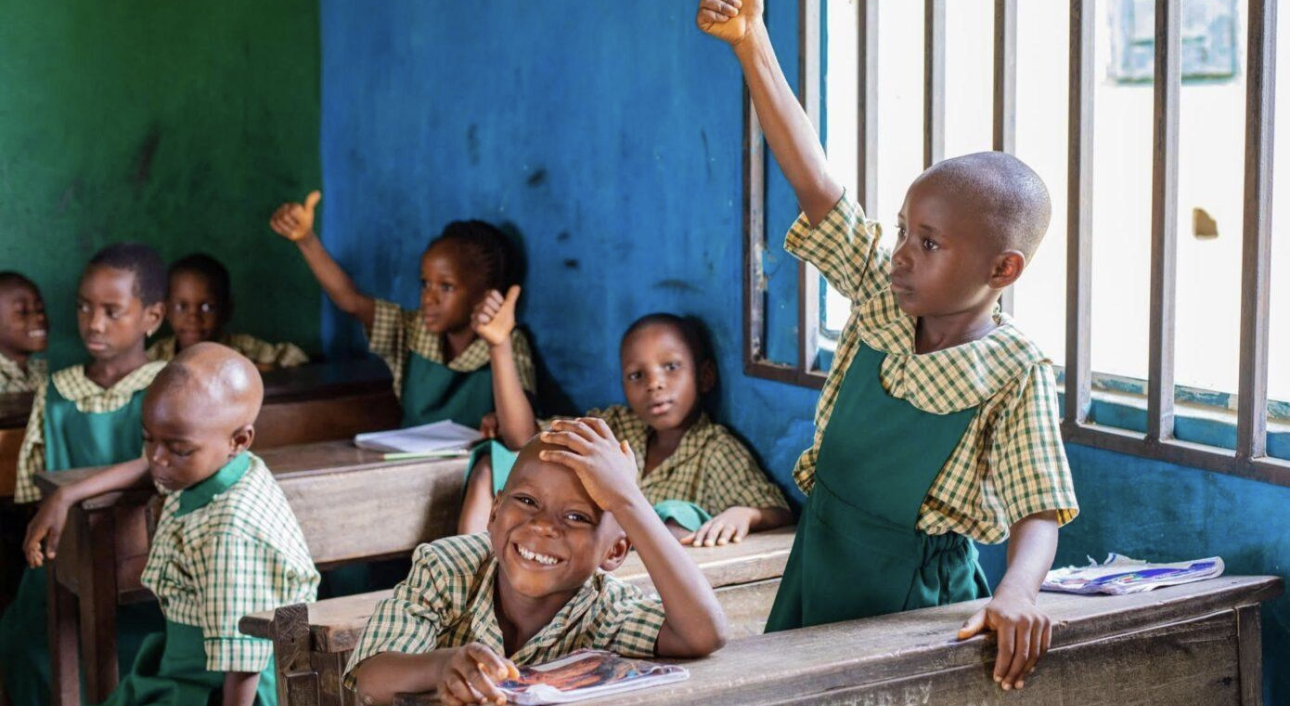
Children miss school. Parents lose income. Families sink deeper into poverty. Communities carry the burden of preventable illness and disability.
Most importantly, Nigeria loses potential.
Every child who dies from a preventable illness represents a future teacher, engineer, entrepreneur, scientist, artist, or leader whose contribution will never be realized.
The loss is not only personal; it is a national loss of human potential.
The Future Depends On The Children We Protect Today
Most Nigerian children do not suffer because diseases are untreatable.
They suffer because healthcare is too expensive, too distant, too understaffed, or arrives too late.
The solutions are not mysterious. Nigeria needs stronger primary healthcare systems, more healthcare workers, and better support for doctors and nurses, improved access to healthcare in underserved communities, stronger regulation against unlicensed practitioners, and greater public awareness about seeking care early.
But above all, Nigeria must recognize that child healthcare is not charity.
It is an investment.
Every healthy child is a future contributor to the nation's growth and development. Every child denied healthcare is a reminder of work left undone.
The healthcare Nigerian children deserve is not a privilege.
It is a right.
And the future of the country depends on how seriously we choose to protect it.
Share this story
More stories you might like

You don't need to be rich to save a life: how ₦2,000 or ₦5,000 goes further than you think
When we told a father what had come in for his child's care, he said the money was a whole lot. It was ₦180,000. Here's the arithmetic behind that.

A New Structure Won’t Fix an Old Problem
Nigeria wants to scrap the JSS/SSS split for one continuous 12-year system. The gap it’s meant to close is real, but the reform stops at the school gate, while the reasons children actually leave (hunger, instability, cost) sit at home.
The Children We Failed Are the Threat We Fear
Nigeria’s insecurity crisis didn’t start with guns. It started with children we failed to feed, educate, and protect, and a pipeline from neglected childhood to armed threat we keep refusing to follow upstream.